EMPLOYEE ENGAGEMENT TRENDS IN THE POST COVID ERA

WHAT IS EMPLOYEE ENGAGEMENT
WHY COVID 19 MADE EMPLOYEE ENGAGEMENT EVEN MORE IMPORTANT
Recent Research from Willis Towers Watson found that 90% of companies surveyed believe
their culture improved during COVID-19, while 83% believe their employee
experience is better. HR isn’t far behind, with 63% of HR professionals
surveyed believing their organizational culture has improved (Reward gateway, 2023)

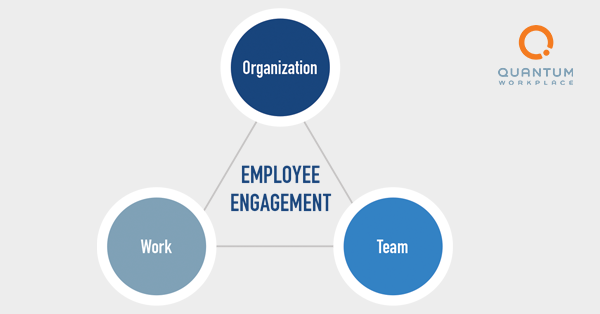
Figure 3 : Employee engagement (Livetiles, 2021)

EMPLOYEE ENGAGEMENT TRENDS IN THE POST COVID ERA
1.Embrace flexibility
The Bureau of Labor Statistics estimates that 50 million jobs are currently work at home capable. . For many job functions, there are no definitive reasons to require people to come into the office every day, or for work to be done between 9 am- 5 pm. And although there are certain roles that don’t have the same opportunity as most to be remote—think, health care, retail, services industry, etc.—we have come up against an enormous opportunity for the majority of the nation to migrate into a flexible work environment.
While some companies are beginning to return to office, many are maintaining the option to work fully remotely or adopting a hybrid work model. The reality is that the great shift to remote work during the pandemic ushered in a new wave of working norms that will stick with us for the long term. With this shift comes a lot of opportunity to re imagine what work looks like, and make it better for employees so that they can do their best work.
2. Re imagine the employee experience
If asked a few years ago, most HR leaders would have likely shared their vision for an employees’ experience to be centered around well being, work/life balance, collaborative office culture, and luxury work perks, like gym memberships or learning and development stipends. But today, we’ve had no choice but to rethink what the employee journey looks like, as there are now many more factors affecting employee morale.
Expecting your employees to leave personal problems at home is impossible, especially for remote employees whose work and home happen in the same location. And many of the work perks previously offered may not be accessible due to social distancing or the shift to remote work. Although it’s an enormous responsibility to take on, HR leaders are having to rethink the overall employee experience in order to support every individual through difficult and changing times.
3. Bring compassion to every conversation
While there are so many uncertainties we face during times of crisis, one thing is for sure: we’re all in it together. Times of turbulence are the perfect time to take the opportunity to help form more meaningful relationships with your people. These relationships are what help build more resilient workforce, drive up employee engagement, and help employees avoid burnout — and they will contribute to the speed at which your business recovers.
4. Focus on developing your talent
Before the world knew that COVID was at our heels, the business world was facing another threat—a talent shortage. One way company leaders can avoid facing a talent shortage is to re-envision their organizational chart. Think of your company as a “talent marketplace,” where employees are part of a network and can be assigned to new teams when their skills are needed on a project. This flexibility requires knocking down traditional hierarchies and allowing people to work on projects that energize them and where they can contribute.
5. Leverage employee strengths to drive engagement
Because performance can’t be directly managed, it’s important to understand what areas of an employee’s role drive behaviors that directly impact performance, and to help your employees find and apply their strengths to their careers. It seamless for employees to find and communicate their strengths so they can succeed in their current roles and pursue their career goals. It also helps employees communicate their personal values and create alignment with their work duties, which in turn advances their engagement and motivational drive.
CONCLUSION
success during this unprecedented time. Organizations constantly trying to keep their employees satisfied and motivated through employee engagement practices. Many organizations adopting new technology and different kinds of employee engagement practices to improve productivity such as virtual team meetings, TED Talks, virtual coffee breaks, reorganization, and rewards of employees. This paper summits that the employee association to managerial strategy and goals, acknowledgment for work well done, and a culture of learning and development foster high levels of engagement. It is vital for HR to foster positive, effective employees along with workplace policies that focus on employee well-being, health and work/life balance (Bindu, 2021)


Good concept
ReplyDeleteThis is nice article , You have explained it nicely .I could have better knowledge about it.Thank you very much sharing the knowledge
ReplyDeleteThank you very much
DeleteNicely presented with colorful headings nad contents. I would ay according to me you have given a very good content. Anyway i like to share my honest 2 comments.
ReplyDeleteVideo link -> try to insert video instead of giving a link in the post.
Colorful heading -> i am you, i wouldn't use colors for headings.
Other than those, very nice and i am learning many thinkgs from your post (u know what i mean). Always your refernces are many. Good that u r refering to many materials. Good work dear. Its interesting. Thank you for sharing your knowledge.
Yp thank you very much
ReplyDelete